New Book Release: Old Ways Witchery

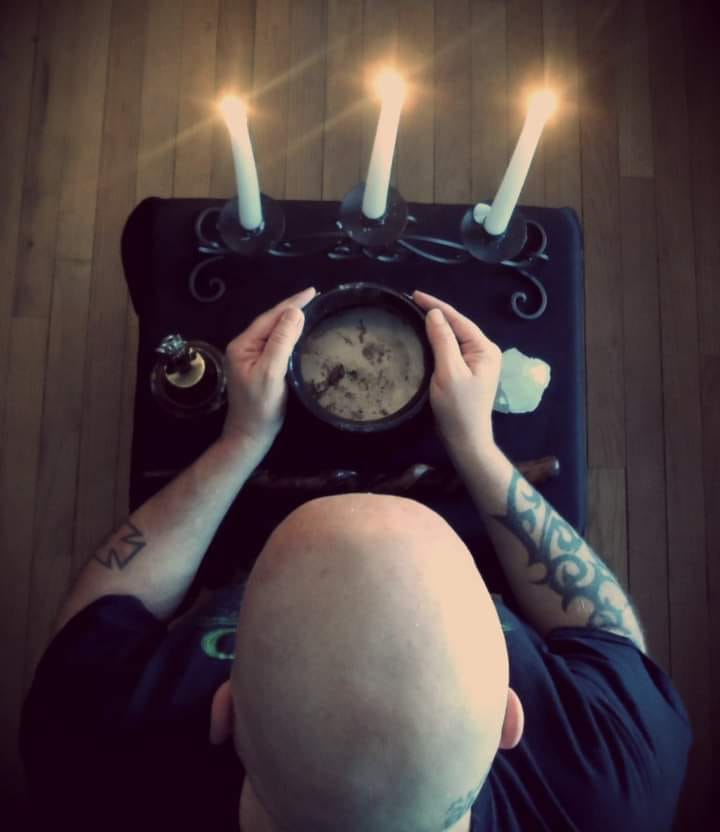
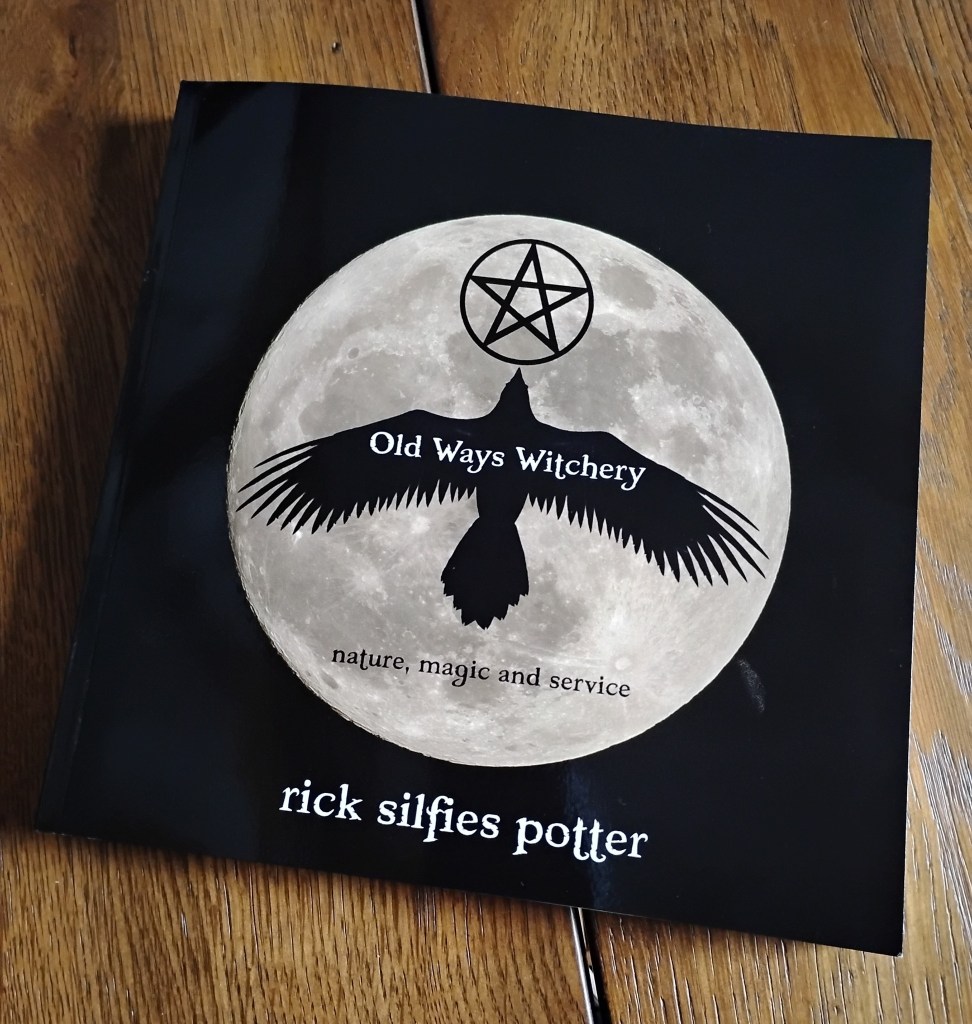
My latest book, “Old Ways Witchery: Nature, Magic and Service” contains the twelve monthly lessons that I have shared with private students for over a decade. Each lesson focuses on specific plants, stones and deity figures from the Irish, Scottish and Welsh pantheons. Also in each lesson you will find information on European folk magic, divination, spellcasting, druid philosophy and many other topics. The entire book contains wisdom I have gained from my own studies and meditations, and from teachers that I have had the privilege of meeting and studying with personally. Each lesson takes one month to complete, and includes homework and practical application. This book contains my own practice, and is presented exactly the way I practice it. I call it a “tradition”, as it is something I have passed on to my own students, but anyone can incorporate these lessons into their own practice. Each lesson is devoted to one month, beginning with March. My private lessons usually begin at this time, but those who have the book can begin at any time. It did take me quite awhile to format all of my lessons into one book. Time was scarce, as I still work a full-time job in the city and commute every day to the mountains where I live. Weekends are my writing times, since during the week I’m much too exhausted.

My definition of Old Ways includes beliefs and practices that pre-date modern magical systems such as Wicca. I present a blend of Witchcraft, Celtic Paganism, Druid Philosophy, Folk Magic, Occult Wisdom and other esoteric knowledge that has been passed down through the centuries. This may differ from other Old Ways traditions that have their own practices and rituals. Although the Old Ways themselves are not rooted in any one culture, they can have cultural elements. For instance, there are Italian Old Ways, Greek Old Ways and Celtic Old Ways. All of these pre-date modern magical practices. My practice happens to focus on the Celtic pantheon, with it’s associated imagery and lore.

Old Ways Witchery: Nature, Magic and Service is presented as a structured, monthly practice in twelve lessons. Get your copy now at this link.

The Ancient Art of Cord Magic

Cord Magic, or what some refer to as a “Witch’s Ladder”, is a very old practice of witchcraft that consists of knotted cords. As each knot is tied into the cord, an incantation is spoken to seal the spell into the cord. Many witches will tie feathers, bones, charms or magical trinkets into the knots. At the tying of the last knot, all the energy is directed into the cord and it’s knots. The power has been raised and is now stored in these knots in the cord. Different traditions of witchcraft use varying numbers of knots, and for various kinds of magic. Cords are usually made of string, yarn, twine, and sometimes animal or human hair. The oldest documented witch’s ladder was recorded in the year 1878, when one was found in a hidden room of an old house in Shropshire, England. It had been knotted with black hen feathers and was believed to have been used with malevolent intentions. Further investigations found that this was a common practice among local witches. As a reminder, witchcraft is neutral, being neither good nor evil, and it is the intention of the witch that is key. In this tradition of Old Ways Witchery, we use the witch’s ladder for healing, protection and other beneficial purposes. Evidence of sacred knotted cords exists from the Stone Age. See below the diagram of a witch’s ladder consisting of nine knots, along with an incantation for each knot. This can be applied to any spell you wish to cast. Choose the color according to your goal-example: red for relationships, green for prosperity, black for protection, white for healing. Examine your motives and intentions, as the final knot will set the spell in motion. Place the completed cord where it will not be disturbed.

You will notice in the preceding diagram that the knots are not tied in a straight line down the cord. The first knot is tied at one end, the second knot at the other, the third knot in the center, and then alternately according to the diagram below until the last knot is tied. In many witch shops you may see witch’s ladders that have crystals, plants and other items knotted within the cord. These are all quite beautiful and effective, however, in our tradition of Old Ways Witchery, simple knots with incantations are all that is necessary.

The Magic of John Dee

Photo: Wikipedia

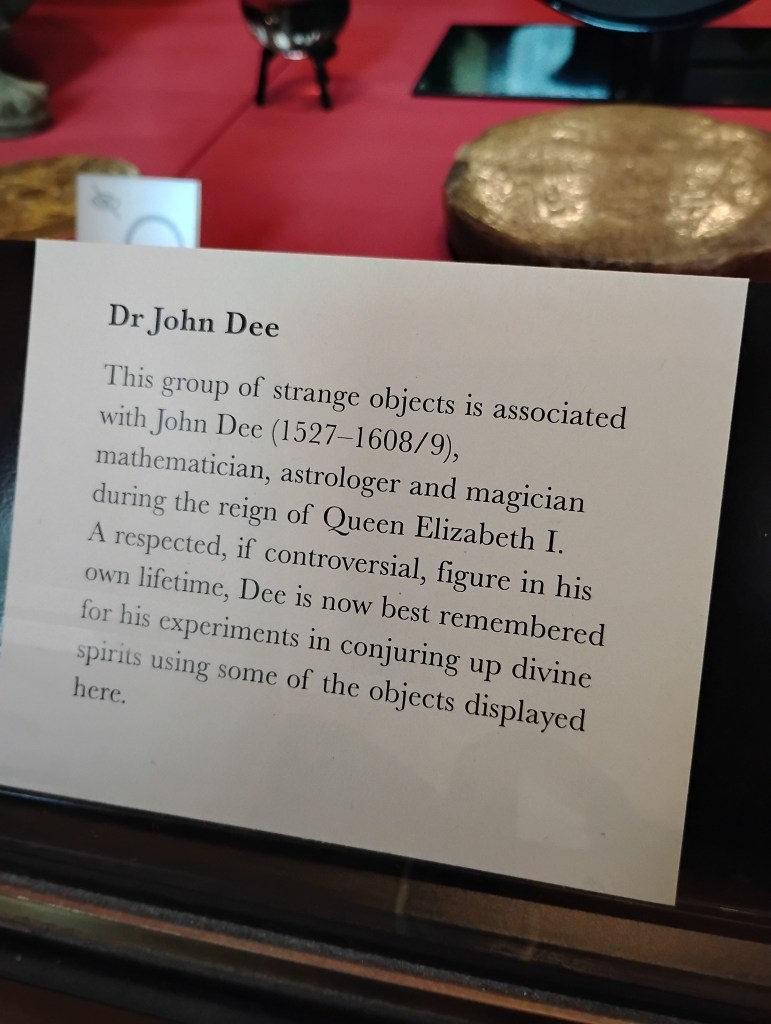
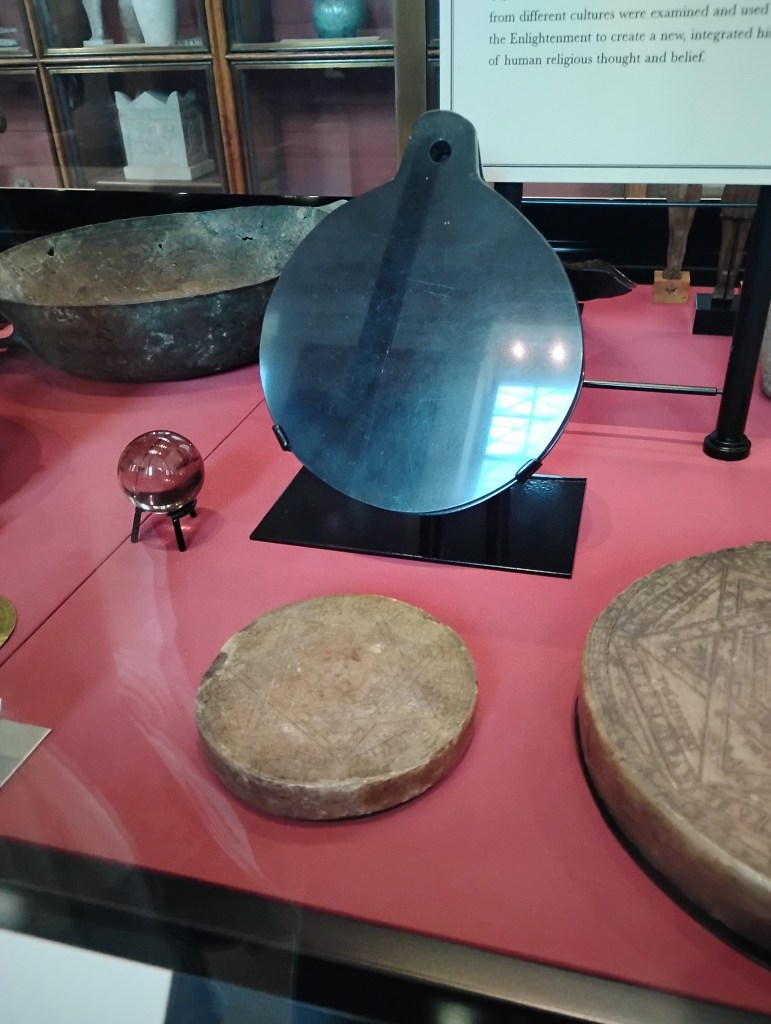
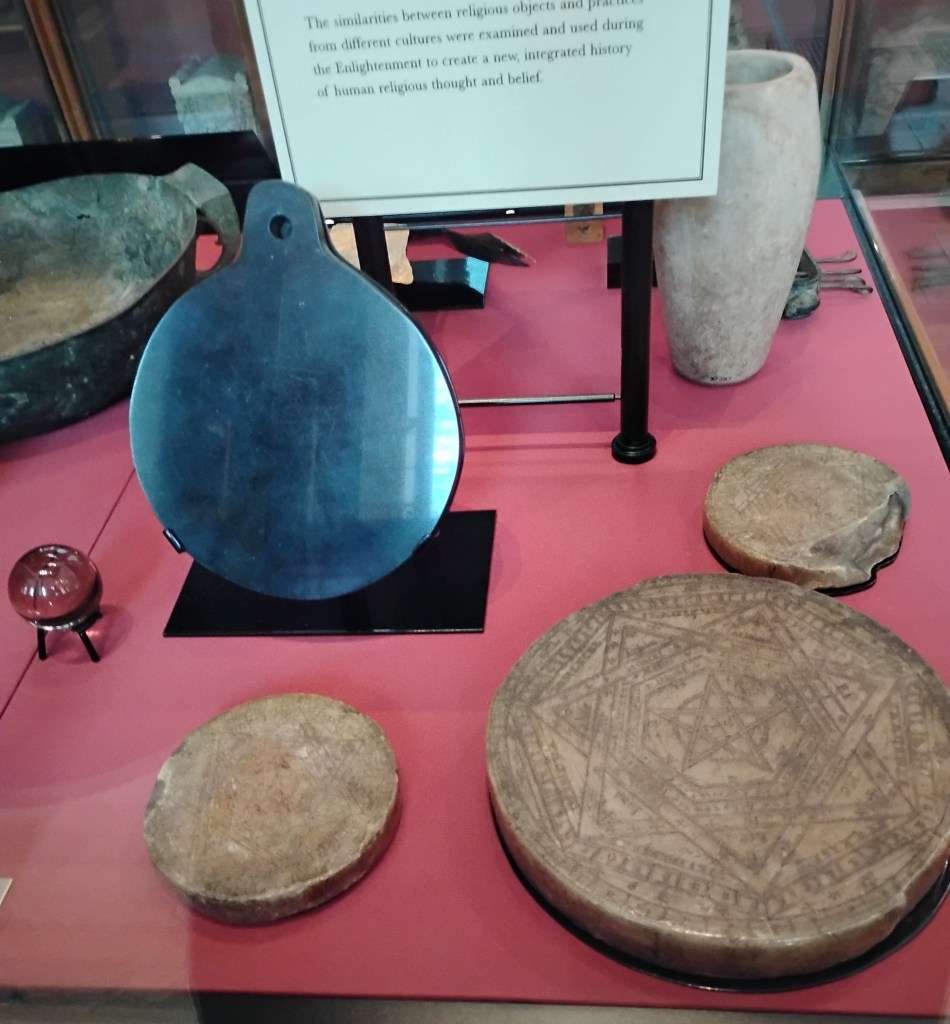
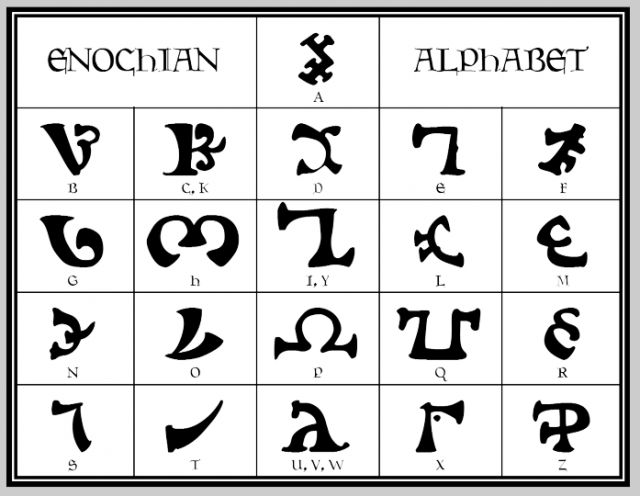
On a recent visit to London, I went to the British Museum, where I was able to get a close-up look at magical artifacts that once belonged to John Dee. He lived from 1527 to around 1609, and was the court astrologer to Queen Elizabeth I. He was a student of the occult, practicing divination, sorcery, numerology and the hermetic arts. He was also an alchemist and had one of the largest libraries in England. He is credited with writing the Monas Hieroglyphica (still available today), a work that contains a magical glyph believed to express the unity of all creation. In his other works, he and his assistant Edward Kelley divined what they believed to be an angelic language, which came to be known as ‘Enochian’. Dee was particularly drawn to angelic beings and spent much of his time in practices to communicate with them. This was done through the use of a black obsidian scrying mirror, and crystal ball placed on a wax tablet inscribed with magical symbols. These rare items are, of course, sealed inside a glass case at the British Museum, but I was still able to get quite close to them and take a few photos. While I have no personal interest in angels, I am more interested in Dee’s ideas about magic and divination. He did keep diaries which are still accessible today, and I am anxious to have a look at them. ‘Enochian’ is another of those magical languages that must be deciphered, much like the Theban alphabet, runes or ogham. Some witches use these languages to write spells or label certain magical oils or other items, as they are only known to the esoteric folk who recognize them. If you have the opportunity to visit the British Museum, you can view the items belonging to John Dee in the Enlightenment Gallery on the first floor. This gallery has many other magical artifacts from various cultures on display. It was quite a thrilling experience to be so close to these items that were once in the hands of John Dee himself.

The Monas Hieroglyphica (below)

Potions and Powders

Potions

A potion is any mixture of natural substances that are used for a magical purpose. They can be water based, alcohol based, oil based or dry powder based. Potions are not always necessarily something you consume. Potions that you drink are also known as tinctures or brews. Be sure to mark potions that are for drinking. Liquid potions that are not to be consumed are used topically, preserved with sea salt, and can be used to anoint magical tools. Dry potions containing non-toxic materials can be burned as incense, or sprinkled on people, around the perimeter of the home, around the flame or rubbed on a candle, or dusted over the magical working area. Items placed in potions include the following:

  • Plant Matter: Leaves, Stems, Flowers, Roots, Resins and Bark.
  • Mineral Matter: Metals, Chemicals, Crystals.
  • Animal Matter: Hair, Nails, Bones, Teeth.

Ancestor Summoning Potion

    For burning or sprinkling, use equal parts of the following:

    • Dragon’s Blood Powder
    • Red Sandalwood Powder
    • Pumpkin Powder
    • Wormwood

      Mix together by hand, adding small pieces of frankincense and myrrh resin. This potion is best used at Samhain, or during the waning to dark moon phase. It’s purpose is to summon the presence of ancestors into the magic circle. Burn as an incense, or sprinkle on the altar, or around the perimeter of the circle.

      Powders

      Magical powders are made primarily to be sprinkled, dusted or placed in shoes or specific areas to bring a desired effect. Powders are ground to a fine dust using a mortar and pestle. They can be made from several items, including the following:

      • Dried herbs, flowers and plants
      • Brick dust
      • Graveyard soil
      • Iron or copper shavings
      • Tree resins
      • Powdered crystals and stones
      • Sand

      Attraction Powder

      Equal parts of the following:

      • Damiana Leaf
      • Cinnamon
      • Basil

      Ground all ingredients together into a powder. Sprinkle on a photo, in the corners of a room, or in shoes. Rub on spell candles, or place in a small container to carry with you. This particular recipe is non-toxic and can be burned together, or sprinkled around a candle flame.

      *Some potions and powders include metals, chemicals or crystals, and are not to be burned or sprinkled on people, as they can contain highly toxic and dangerous materials. When using plant material, use caution when including those that may be poisonous. Make sure that all potions and powders are labeled as toxic or non-toxic, and are tightly sealed when not in use.

      The Witch’s Circle

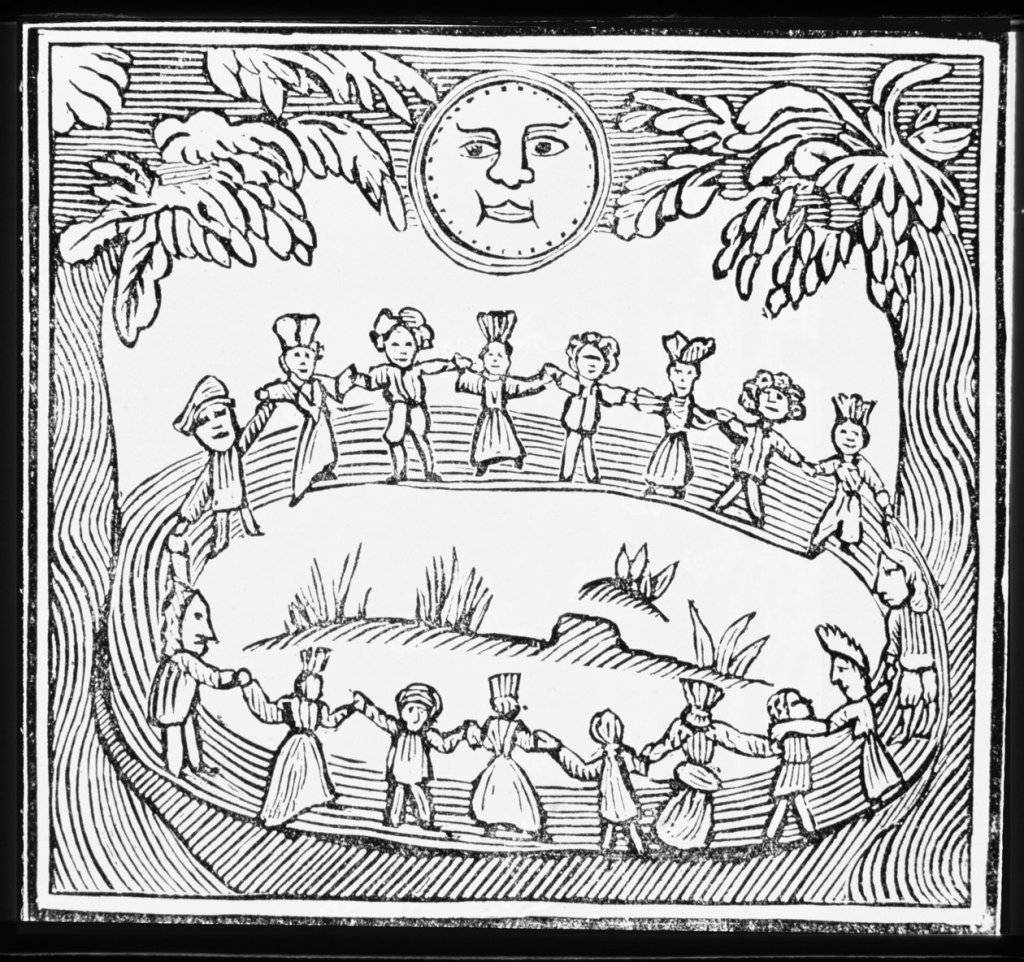
      The concept of the Witch’s Circle is not a modern invention, and is not solely a Wiccan practice. It is used by ceremonial magicians, traditional witches, and even some druid groups. Many medieval woodcuts depict witches standing in or casting a circle of protection. Famous works of art, such as the 1886 oil painting The Magic Circle by John William Waterhouse (below), depict a witch casting a circle using a sword.

      What is the Witch’s Circle?

      As witches are weavers of energy, they utilize it in many forms. The celestial energies of the stars and planets, the natural energies of stones, plants and trees, as well as the elemental energies of earth, air, fire and water all work together with the witch as companions in magic. Casting the circle creates an energetic boundary of protection around the witch, keeping in only those energies that are needed for magical workings and keeping out anything that may be harmful. The circle typically involves the use of intention, visualization and incantation. A proper circle requires strong focus and concentration, and should not be attempted in a casual or haphazard manner. Take your time and don’t rush it. It is not uncommon to sense a change in temperature or a difference in atmosphere when the circle has been cast successfully. It has been noted that often the person casting the circle will not feel any changes, but others present in the circle will notice a marked change. When casting the magic circle, some traditions begin in the north, others in the south. Practitioners may use a wand, an athame, a sword, or just the hand. Some will cast a circle with specially selected herbs or with salt. When the circle has been completed, it is not merely a circle but a sphere. The circle caster may either stand in the center and turn, or walk the perimeter of the circle. Either method will depend on available space, the location of the altar, how many people are present, or whether the ceremony is indoors or outdoors. For outdoor and public circles, I place the altar in the center and walk the perimeter of the circle. My indoor altar sits against an east facing wall, only because of space limitations. I stand in the center of the room and cast my circle to the walls. An outdoor circle can also be traced on the ground with a stang (a forked wooden staff).

      The circle is cast by walking (or turning) three circles in a clockwise direction. Various traditions have their own circle-casting incantations, but they typically go something like this:

      (Circle One) I cast this circle to protect me (us) from all harmful energies.

      (Circle Two) I cast this circle to allow only the most perfect energies for this work, and block out all other energies.

      (Circle Three) I cast this circle to be a sacred space and a world between worlds, where the highest will is sovereign.

      (This particular circle call is inspired by author/teacher Christopher Penczak, and I use it in my own circles. I have found it very effective).

      It is important to speak loudly and with authority. This isn’t a game and you’re not just saying words. We are working with energy here, bending and shaping it with our will, intent and visualization. As we walk the circle, we see it in our mind’s eye as a blue light emanating from the wand, athame or coming out of the hand. When your ceremony or ritual is complete, then you will release the circle. Some traditions use the terms “opening and closing”, but I prefer “casting and releasing”, which makes more sense to me. To release the circle, simply walk the circle in only one counter-clockwise direction and say something like “I release this circle out into the universe”. Again, various traditions will have their own incantations for circle casting and releasing, but you can certainly write your own. The main purposes for the circle are to be a boundary of protection, a container of energy, and to be a sacred space. The circle should be cast before doing any magic, rituals or ceremonies. I use the circle for any magical workings I do at the altar, including divination.

      There are many other nuances to casting the circle, indeed entire books have been written about it, but in this article I wanted to share some important considerations. This article did not address the calling of the elements, deities or directions. I wanted to focus primarily on the actual casting and releasing of the circle. For a more detailed description of circle-casting and ritual ceremony, I recommend the wonderful book, “The Outer Temple of Witchcraft: Circles, Spells and Rituals”, by Christopher Penczak.

      Medieval woodcut of witches in a circle.

      The Old Ways Witch

      There are many different types of witches in today’s modern world, from traditional to eclectic, to hedge and Wiccan witches. None of these are better or worse than another, just different. We don’t all do things the same way, but there are some common practices and beliefs held by all. The practice of witchcraft has always been referred to as “The Old Ways” and even as “The Old Religion”, although many have an aversion to that word due to it’s Christian associations. Be that as it may, witchcraft often does have a religious aspect, such as with the veneration of deity figures and the devotion that is given to them. Still, not all witches connect with deity figures, gods or goddesses. Today, witchcraft has become trendy, with everyone and their uncle claiming to be a witch (and who is to say they’re not), but the fact remains that witchcraft is not merely a hobby or something fun to do on the weekend. Add to this the fact that many are trying to oversimplify witchcraft and calling some things “witchcraft” that really are not. It is a noble idea to try and make witchcraft more appealing to modern people, but I am not convinced that it should be. Historically, witches were always on the fringe, on the outside. They weren’t celebrities or “influencers”. They kept to themselves and were both respected and feared in equal measure. I believe it is important that we return to this ideal. In today’s social media world, you do kind of have to put yourself out there, otherwise how will people know about you and the services you offer, but I try to do this in a minimal way. I have a Facebook, an Instagram and this website. I am a witch of the Old Ways, meaning that I hold to beliefs and practices that pre-date modern Wicca and other modern magical systems. Some people scoff at the expression “Old Ways”, particularly the younger witches who feel that older beliefs are irrelevant and outdated. The wisdom of the craft elders is pushed aside in favor of new and so-called “modern” ideas. While the Old Ways are not linked to any particular cultural or religious aspect, my own practice does incorporate some religious and cultural overtones. Aside from these, there are things that identify the Old Ways Witch.

      • The Plant Realm: Old Ways witches work closely with flowers, herbs and plants, forging a bond with the spirits of the plant realm. A relationship is developed between plant and witch, where the communication of magical wisdom is shared. The plants lend their energies to the witch’s spells and enchantments, and in return the witch maintains a connection with the spirit of the plant.
      • The Night: The Old Ways witch is intimately attuned to the powers of the night. All ceremonies and rituals are conducted during the night-time hours, long after the sun has set and the moon takes rulership of the sky.
      • The Moon: The Old Ways witch works predominantly with the phases of the moon rather than the sun, to attract and draw in, or to banish and repel. The hours between 3am-5am are the most auspicious times for spells and magical workings.
      • The Forest: The Old Ways witch has a strong connection to the forest and the spirits who dwell there. This includes the trees, plants and animals who inhabit the forest.
      • Sovereignty: The Old Ways witch is sovereign, meaning that he or she is not bound by the rules and laws of others, but practices by his or her own personal ethics and moral standards. Old Ways witches do not adhere to such ideas as the Wiccan Rede or the Threefold Law.
      • Magic: The Old Ways witch is a practitioner of magic, with the use of spells and enchantments, within the boundary of the magic circle. This often includes practices of folk magic that have been passed down through the ages, as well as magical systems that existed long before Wicca, such as the use of sigils and planetary forces.
      • Ancient Lore: The Old Ways witch preserves the wisdom contained within the old stories. Some Old Ways witches may be devoted to a particular deity.
      • Familiars: The Old Ways witch works closely with the spirits of animals, stones and plants.
      • Divination: The Old Ways witch is skilled in various forms of divination, which may include tarot, runes, pendulum, ogham or crystal ball. These skills are offered to those who seek guidance, or when the witch seeks insight into current events.
      • Healing: The Old Ways witch is skilled in various forms of alternative healing, which may include Reiki, crystal therapy, herbal applications or certain unconventional forms of energy healing.
      • Nature: The practices of the Old Ways witch are rooted in the mysticism of nature, the wind in the trees, the light of the moon, the majestic stag, the jumping salmon and the hoot of the owl. Nature is alive and sentient, sharing it’s wisdom only with those who have the ears to hear.
      • Spirits: The Old Ways witch communicates not only with the spirits of nature, plants, animals and stone, but also with the departed dead. Ancestors (both spiritual and familial) play a large role in the life of the Old Ways witch, sharing their wisdom and assisting with magical workings.

      These are some of the things that differentiate an Old Ways witch from other types of witches. This is my practice, though I have not shared everything here. I do not suggest that Old Ways witches are “better” than other witches, but I do maintain that older practices are still just as relevant in today’s world.

      The Void-Of-Course Moon

      It is well known that witches work with the phases of the moon when doing magic and spellwork, to attract beneficial things or to drive away what is harmful. There are books (and phone apps) that can tell us the current and future moon phases, and when the moon will inhabit a particular sign.

      But what about those times when the moon doesn’t inhabit any sign?

      This is when the moon is considered “void-of-course”. During these times, which can last for a few hours up to a large portion of the day, the moon is shifting between signs and is not firmly placed in any sign at that time. During void-of-course, the moon is not making any aspects with other planets or signs, and is not actively influencing events. I would be interested to know if there are any commonalities among those who were born when the moon was void-of-course. Ephemerides (charts which show the positions of celestial bodies) do not always display void-of-course times, so it would be beneficial for the witch to find one that does.

      In regards to magical workings, spells that are cast during these times may lack the needed energy, may be delayed or have an unexpected outcome. Any spells that are high priority should be delayed until the moon is firmly fixed in a specific sign.

      Below I have included ephemerides for the void-of-course moon from April thru December 2025.

      Plan your spells accordingly.

      The Magic of Singing Bowls

      While my magical and spiritual practice is primarily Celtic in nature, in my meditations I do like to incorporate practices from other cultures in my meditative exercises. Many years ago, meditation was what helped awaken my psychic and intuitive abilities, which ultimately led me to the realization that I am a witch. My earliest meditative practices included Buddhist chants, creative visualization and controlled-breathing exercises. I had used singing bowls from time to time, but only recently have I made it a regular practice. You do not have to a Buddhist or Tibetan monk to work with a singing bowl. Ignore the gatekeepers who say otherwise. It is problematic for Western people to pick and choose the elements of Eastern culture that may appeal to them, while often continuing to act from a place of prejudice and internalized racism toward those same cultures. However, if you truly appreciate the people and cultures that singing bowls come from, and have an understanding of how they work, then you can use them with a clear conscience.

      Singing bowls are examples of Idiophones. These are musical instruments that produce sounds through vibration, when they are struck, shaken, or scraped. The singing bowl is made of metal, or a combination of metals, and is most often used used in spiritual settings. When struck with a mallet, it produces sounds that aid in meditation. Singing bowls are often used in Sound Therapy to induce healing and treat various illnesses. The sounds of the bowl create energy waves that help to realign the aura and the Chakras. It is believed that the tones from the singing bowl cause the left and right sides of the brain to synchronize together, and bring the brain into a relaxed, Alpha state. Taking deep breaths while using the bowl and concentrating on the tone helps this process. There are some studies that suggest how using a singing bowl interacts with the water in our bodies. The singing bowl is linked to the elements of Air and Water. Air, because of the sound it produces reaching the ear, and Water, because of the bowl being a sort of container, not only of water but of energy that affects the water in our bodies.

      Singing bowls originated in Mesopotamia over 5,000 years ago, and made their way to the regions of Tibet, Nepal and India which all have singing bowls in their history and culture dating back some 2,000 years. Today, singing bowls are still produced in these areas of the world, and both the craftsmanship and the spiritual components are closely tied to culture and tradition. Originally made of pure copper, they are now made mostly of bronze (a combination of copper, tin and zinc) or a seven-metal medley of copper, tin, zinc, iron, lead, gold and silver—seven earth metals for the seven Chakras.

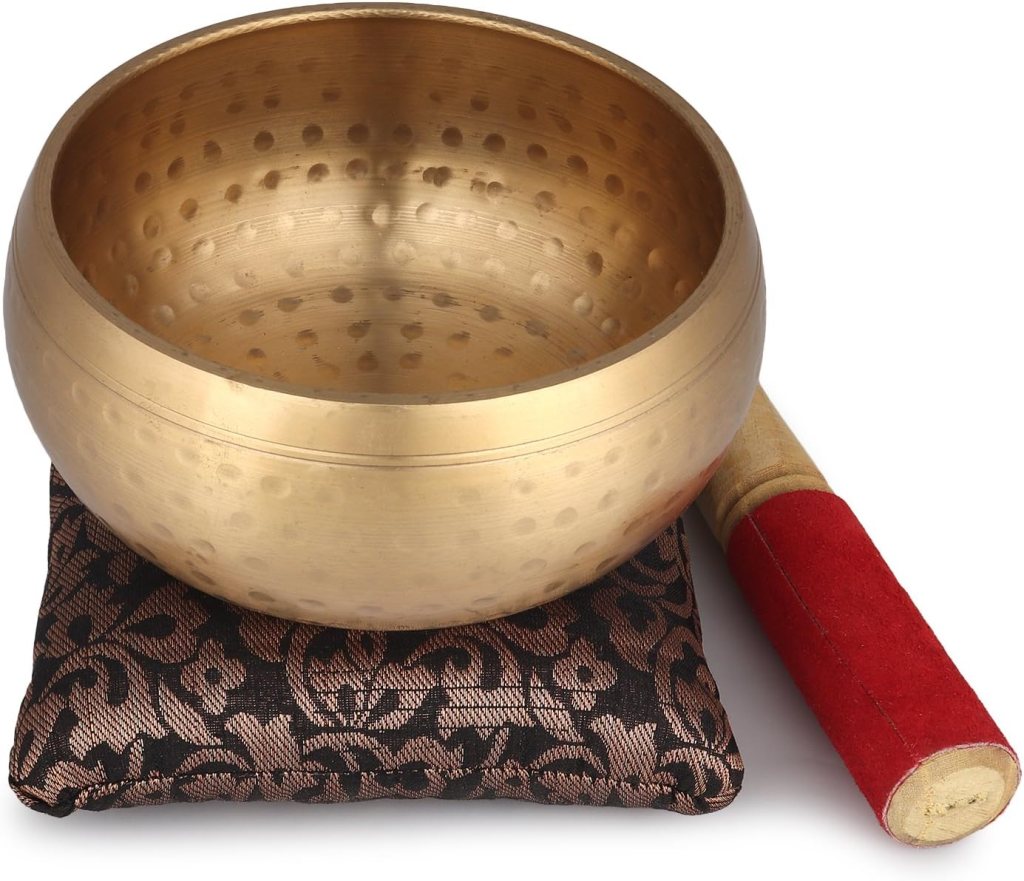
      To use a singing bowl, hold it gently in the open palm of your hand. Do not place your fingers around the sides of the bowl or it will affect the sounds created. Some bowls come with a small “pillow” to place the bowl on. Use the mallet to strike the bowl on the outside, and/or to gently trace the outer edge of the bowl, which will create a singing-like effect. It will take a little practice, but with a few tries it becomes easier. An important aspect of this practice is the mindset of the practitioner. While using the bowl, it is advisable to take several deep breaths and allow the sounds of the bowl to take you into a deeper meditative state.

      This is my own singing bowl, one of my favorite magical tools.

      Celebrating The Autumn Equinox

      The modern pagan holiday of Mabon is celebrated on the Autumn Equinox, which takes place between September 21st and 23rd. It is the second harvest festival of the year, between Lughnasadh and Samhain. The name Mabon for this holiday was first assigned by Aiden Kelly, an influential Wiccan in the 1970’s. Mabon is the name of a figure from The Mabinogion, a collection an ancient Welsh tales. His story is many-layered and filled with hidden meaning. It must be understood that there is no historical evidence that Mabon was celebrated by ancient Celts. However, if we read between the lines, we can find some connections. In the story, we see how Arthur and his men traveled through the realms of Land, Sea and Sky to find and rescue Mabon. Each of the animals they encounter share their own unique wisdom. The Blackbird speaks of the Smith’s Anvil. The Great Stag speaks of the Oak Tree. The Owl speaks of the Ancient Forest. The Eagle speaks of the Standing Stone. The Salmon speaks of the Ocean and the Castle of Light. We see how the Castle of Light is also a place of Darkness. We see how Arthur brings Mabon out of the darkness and into the Light. This is one of those tales that are infused with hidden meaning. Re-visit this story in meditation and explore what each of these symbols may mean for you personally. Consider the following:

      • The Smith’s Anvil represents our skills and talents, and how we survive in the material world.

      • The Oak Tree indicates our spiritual selves and experiences with the Otherworld.

      • The Standing Stone remind us of mystical lore, storytelling and tradition.

      • The Salmon points us to the search for truth and wisdom.

      What lessons do you see in this story?

      In modern Druidry, the Autumn Equinox is named Alban Elfed, or “Light of the Water”, marking the balance of day and night before the darkness overtakes the light. We now enter the dark half of the year. While there is nothing in the story of Mabon that directly connects him to the Autumn Equinox, we can still look to his story for inspiration. One lesson from the story is the importance of having gratitude and appreciation for the wisdom we have gained from life experiences. We learn the importance of embracing both the dark and light aspects of ourselves. Indeed, at the Autumn Equinox, the day and night are of equal length. It is called by some, “The Witch’s Thanksgiving”, a time to give thanks to our deities and guides for the harvest in our lives. What have you accomplished and achieved in the past year? What have you harvested in your own life?

      Our personal harvests are not only material things we can see, but also can apply to new knowledge and wisdom, lessons learned or a new determination to make our lives better. At the Autumn Equinox, we celebrate the harvest, both on the table and in our personal lives. Decorate your Mabon altar with fruits, nuts and vegetables, pumpkins, acorns, tree leaves and bark. Use colors such as brown, tan and orange. Corn dishes, breads, apple cider and pumpkin pie are popular foods at this time. Set a new personal harvest for the coming year, and carve the word Mabon on the side of a beeswax candle. Visualize your goal manifesting into reality.

      Working with Dragon Energy

      Dragons have existed in all times and cultures, and can be viewed as winged serpents. In occult lore,the serpent guards the secrets of the Underworld. Dragons, likewise, have been associated with the guardianship of certain treasures. In this regard, these “treasures” can be viewed as magical secrets and hidden knowledge. The Dragon represents that which is unknown and hidden. The word dragon comes from the Greek verb derkein which means “to see”. Working with the dragon in our magical rituals helps to reveal hidden wisdom and give us a clearer understanding of subtle forces at work around us. It helps us to see our own hidden potential. The dragon is an obvious symbol of the element of Fire. As such, it represents magical power. If we work with dragons as intelligent beings and otherworld entities, our magic can be greatly enhanced. The dragon embodies all that is related to Fire: the will, authority, courage and bravery. Dragon energy exists in all realms of the land, sea and sky, and wherever fire, flame or smoke are present. In some witchcraft traditions, the ruler of Fire is the Salamander, a creature that is said to exist in every flame. The dragon features prominently in Arthurian lore and Celtic fairy tales. Nwyfre, the life force energy in the Druid tradition, is also associated with the dragon. To work with dragon energy, you can do the following:

      • Place a dragon statue or figurine on your altar or magical working area.

      • Light a red or orange candle to represent the Spirit of the Dragon.

      • Visualize a dragon spirit in your magic circle.

      • Invite the dragon to assist with your magical workings.