On a recent visit to a local bookstore, I found a table filled with books of witchcraft. I flipped through some of them, but found very few that I was really interested in. Most of them had the same information, but with each book presenting it in a modern, hipster sort of way. I left the store without buying any of them. I find this modernization and over-simplification of witchcraft to be rather disheartening.
I am extremely selective with the books I spend my money on, particularly books on witchcraft. I generally stay with authors and teachers that I know and trust. Since I am a witch of a certain age, there are several of them. I am not averse to new teachers, or even younger ones, but even they must have some connection to the way that I practice. I have learned that just because an author seems popular or has a large following, that they are not necessarily someone I should give my attention to. A few of these so-called “modern” witches have made broad sweeping statements that I simply cannot agree with. For example, one of these popular young authors said something along the lines of, “If you are a witch who is over 40 and you don’t have a mentor who is under 30, you’re going to miss out on the new trends in witchcraft and what modern witches are doing”. Another commented that he “can tell” who is a witch and who isn’t. This smacks of arrogant elitism and a “you’re not one of us” mentality which doesn’t sit well with me. You can’t always tell, and that’s not a bad thing.
I have ZERO interest in “what modern witches are doing”. And, since when was witchcraft meant to be trendy? I’m rather inclined to believe that this author’s book is popular not because of it’s content, but because of all the promotion and hype that preceded it. We need to be very careful of the authors and teachers we choose to follow, as several of them are popular for the wrong reasons.
I am more inclined to believe authors and teachers who share from their personal experiences, rather than someone who simply did research in order to write a book. Some of these researchers will discredit the work of other authors, especially if these other authors present information about a deity that is “not found in the lore”. The reality is a deity may share many things with a devoted follower that are not found in the lore. Lore and research are important, yes, but these alone will not tell us everything. There is some information we will only receive from our experiences and direct connection with a deity, plant, stone, etc. Some of this information is meant only for us, and some is meant to be shared so that others can make of it what they will. This is why comments like “That is not found in the lore” or “I’ve never heard that before” are not always trustworthy assessments on the validity of things we discover about gods, goddesses and magical pursuits.
I agree that unverified personal gnosis can be a slippery slope, but I have a bit of a problem with that word “unverified”. If you have a relationship with a deity, and that deity shares information with you (which should be happening anyway), then that information is not “unverified” because it was shared directly with you. Others may consider it unverified because it has not been documented in print somewhere. Will deities only share information that has been documented in print? I hardly think so. How does one verify unverified personal gnosis? Another factor to consider is our mental state. How do we know the information we are receiving isn’t just delusion and fantasy? A topic that is rarely discussed in magical circles is the importance of having a disciplined mind and control over our thoughts. The answer lies not only in our connection and experience with our gods and guides, but also in our ability to discern if information is coming from a spiritual source or from our own imaginations.
Two of my favorite teachers have each written a book that contains information they received through personal gnosis. Much of the information shared in these books is not found anywhere else. Because these are both highly respected teachers that I have met and whose work I trust, I am inclined to take their experiences as valid ones. One of them, sadly, has passed away in recent years, but they have both been around for decades.
When choosing pagan authors to learn from, look at their connection and personal experience with the material, rather than their academic achievements alone. There are very few who have both the scholarship and relationship. If you find one, more the better. Anyone can do research and write a book, but a pagan author who is really worth learning from will have that connection and experience.
That’s what it all comes down to.
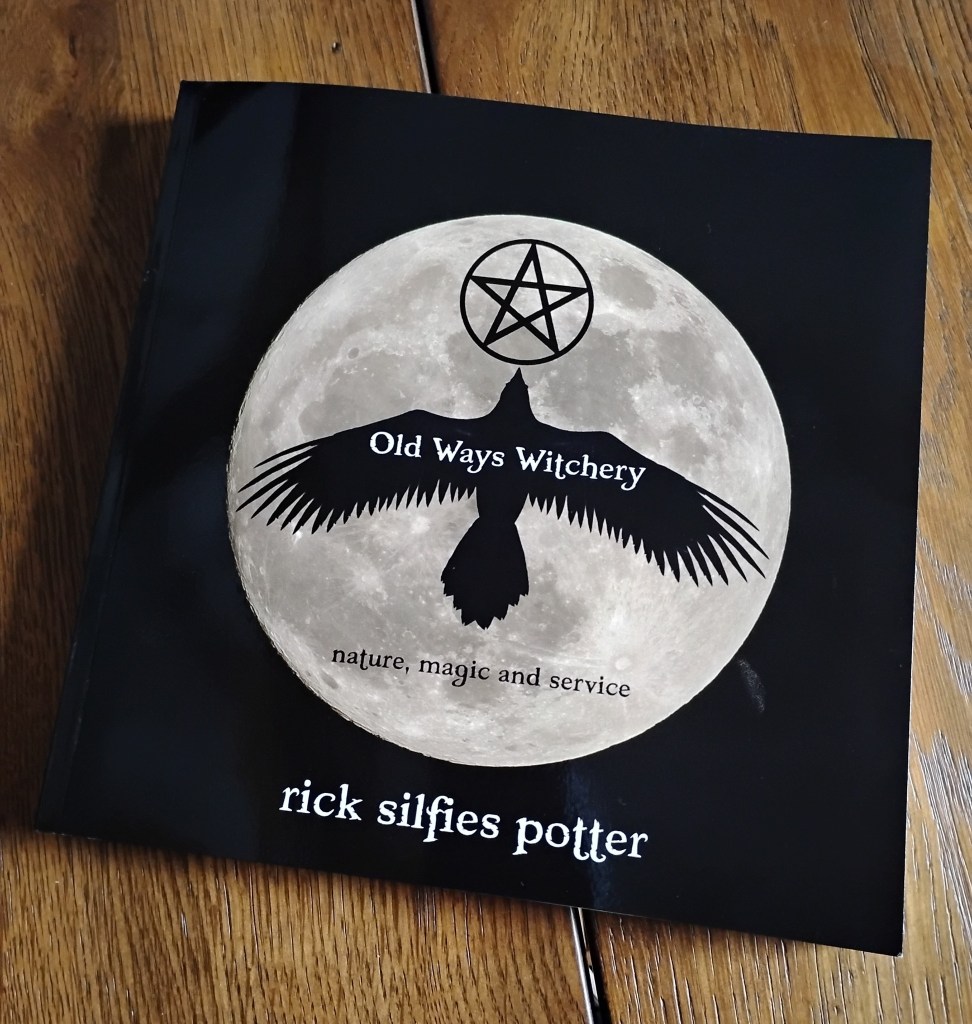
 Old Ways Witchery